

🧵 Understanding Thread, Needles, and Stabilizers (Simple but Powerful Guide)
If you want clean, professional embroidery, everything comes down to three core elements:
👉 Thread
👉 Needles
👉 Stabilizer
Master these, and your results improve immediately, no matter what machine you’re running.
🧵 THREAD: The Foundation of Every Stitch

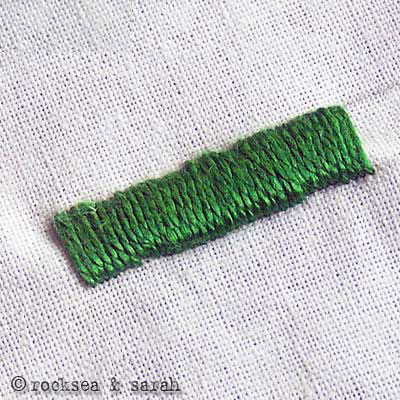

🔍 What Thread Actually Does
At high speeds (700–1200 stitches per minute), thread is constantly:
Pulled through tension discs
Rubbing through guides
Heating from friction
Locking with bobbin thread
👉 That means quality + tension + setup = everything
🔹 Types of Thread
Polyester (Recommended for most jobs)
Strong and durable
Handles high-speed embroidery
Resistant to fading and breaking
Best for hats, uniforms, and daily wear
👉 Most production shops use polyester
Rayon (Decorative use)
Softer, shinier finish
More delicate
Breaks easier under stress
👉 Better for light, decorative work, not heavy production
🔹 Thread Weights
40wt (Standard) → most designs
60wt → small lettering & detail
30wt → bold, thicker look
🔹 Common Thread Problems (and Real Causes)
If your thread is breaking, it’s usually NOT the thread:
❌ Dull needle → friction
❌ Needle too small → heat buildup
❌ High tension → snapping
❌ Burrs or damage → shredding
❌ Cheap thread → inconsistent thickness
🔥 Pro Tips
Use quality thread, cheap thread costs time
Store thread in a clean, dry space
Thread path matters more than people think
Don’t assume the machine is the problem
🪡 NEEDLES: Small Part, Massive Impact


🔍 What the Needle Actually Does
The needle:
Pierces the fabric
Creates a loop behind it
Allows the hook to catch thread
Forms the stitch
👉 If this process is off—even slightly—you’ll see issues immediately
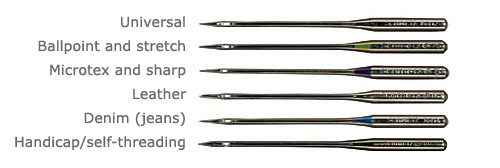
🔹 Needle Types
Ballpoint
Rounded tip
Pushes fibers apart
👉 Best for: T-shirts, polos, stretch fabrics
Sharp
Cuts through fabric cleanly
👉 Best for: Hats, denim, structured materials
🔹 Needle Sizes
75/11 → light fabrics
80/12 → standard use
90/14 → thick materials (caps, jackets)
🔹 Needle Anatomy (Why It Matters)
Eye → thread passes through
Groove → protects thread
Scarf → helps hook catch thread
👉 Damage to any of these = skipped stitches or breaks
🔹 Common Needle Issues
| Problem | Likely Cause |
|---|---|
| Thread breaking | Dull or too small needle |
| Skipped stitches | Bent or wrong needle |
| Looping | Poor loop formation |
| Fabric damage | Wrong needle type |
🔥 Pro Tips
Change needles as needed, but remember they do dull and should be changed every 30-60 days of use
Hearing popping? Replace immediately
Don’t adjust tension before checking the needle
🧻 STABILIZER: The Key to Clean Results

🔍 What Stabilizer Does
Fabric naturally wants to:
Stretch
Shift
Distort
Stabilizer:
👉 Holds everything in place
👉 Absorbs needle impact
👉 Keeps your design clean and consistent
🔹 Types of Stabilizer
Cut-Away (Most important)
Stays attached
Provides long-term support
👉 Best for: Shirts, polos, stretch fabrics
Tear-Away
Easy to remove
Less support
👉 Best for: Hats, stable materials
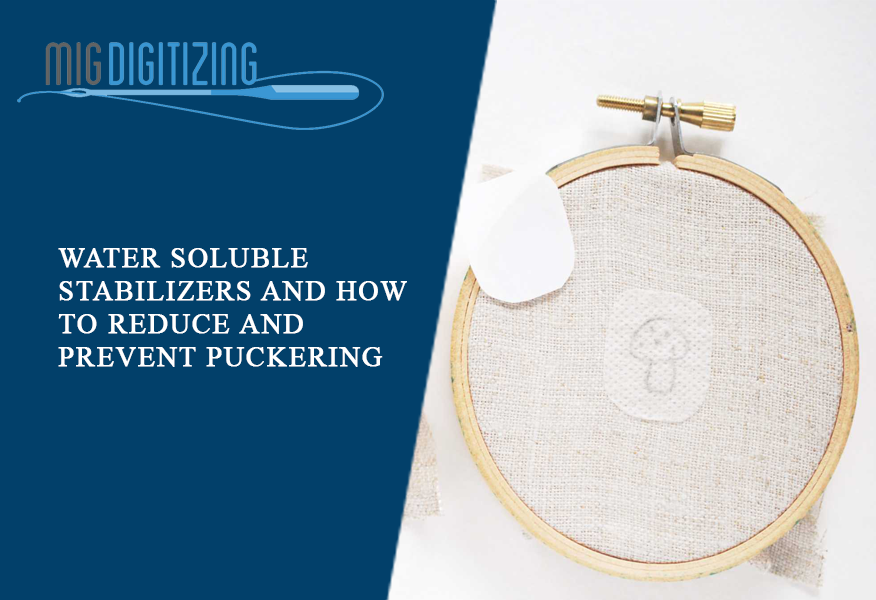
Water-Soluble
Dissolves in water
👉 Best for: Towels, fleece, performance wear
🔹 Choosing the Right Stabilizer
| Fabric | Stabilizer |
|---|---|
| T-shirts / Polos | Cut-away |
| Hats | Tear-away |
| Towels | Cut-away + topper |
| Performance wear | Cut-away + water-soluble |
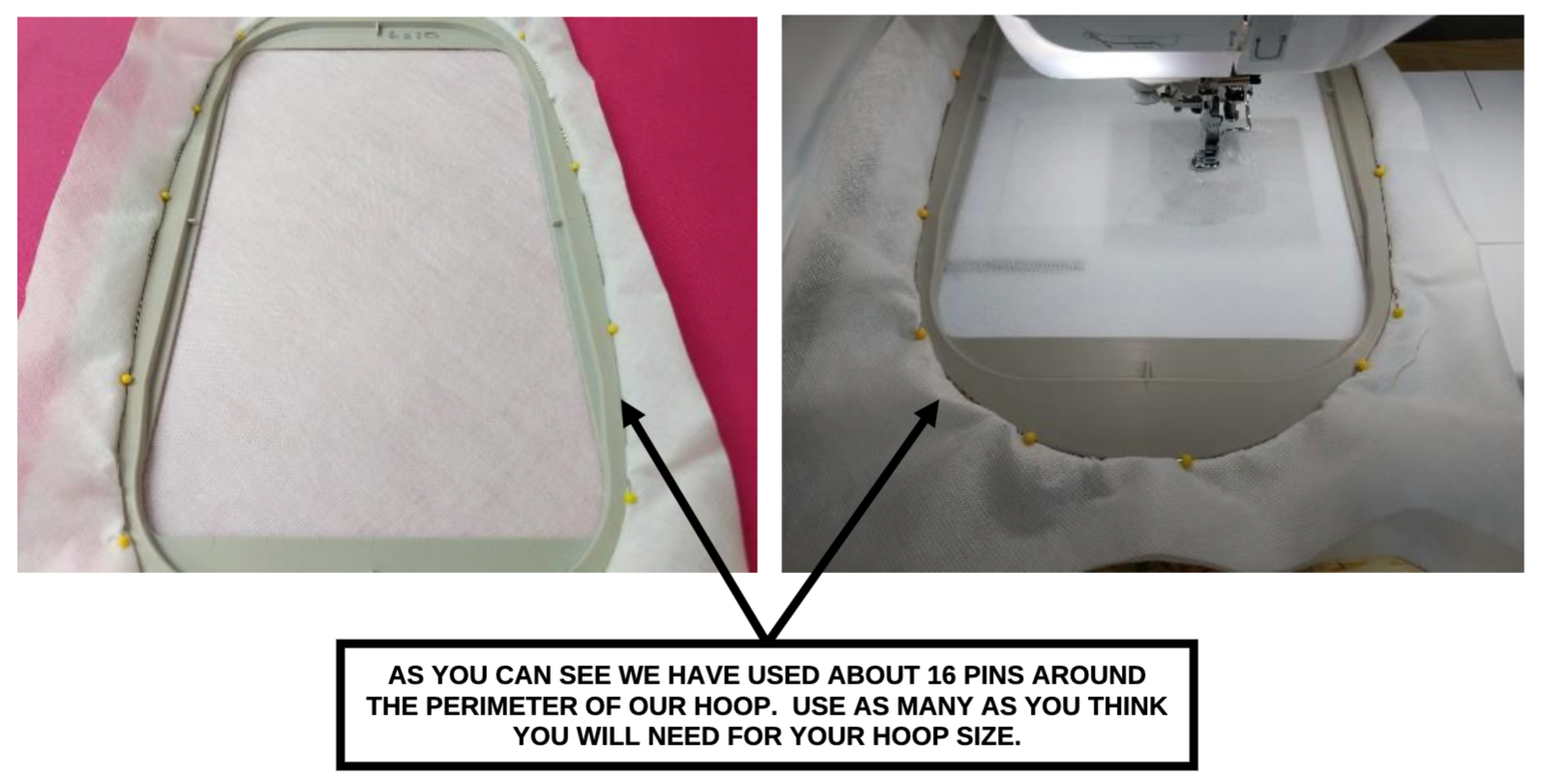
🔹 Why Puckering Happens
Puckering = fabric moving during stitching
Causes:
Not enough stabilizer
Wrong type
Poor hooping
Dense designs
🔹 Advanced Tip: Layering
2 layers = more stability
Great for thin fabrics or dense designs
👉 This alone can fix a lot of beginner issues
🔥 HOW THEY WORK TOGETHER
Think of it like this:
Thread = Appearance
Needle = Execution
Stabilizer = Foundation
If one is off, the entire design suffers.
🚨 MOST COMMON BEGINNER MISTAKES
Using tear-away on stretchy garments
Using the wrong needle type
Not changing needles often enough
Using cheap thread
Not enough stabilizer
💡 REAL-WORLD EXAMPLE
Embroidering a Polo
Thread → Polyester 40wt
Needle → Ballpoint 75/11
Stabilizer → Cut-away
👉 Change one thing incorrectly, and quality drops fast
🔥 FINAL TAKEAWAY
Most embroidery issues are not machine problems.
They are:
👉 Setup issues
👉 Material choices
👉 Lack of proper training
Once you understand these three elements, everything becomes easier:
Better stitch quality
Less downtime
Faster production
More confident pricing
📞 READY TO GET STARTED?
At PrintDirect US, we don’t just sell machines—we teach you how to use them the right way from day one.
👉 View Machines: https://printdirectus.com/collections/bai
👉 Contact Sales: https://printdirectus.com/pages/contact-sales
📞 Call: 786-866-9793
🔥 HASHTAGS
#PrintDirectUS #Embroidery #EmbroideryBusiness #EmbroideryTips #SmallBusiness #StartYourBusiness